Key takeaways
- Plants grow, mulch builds up and fixtures shift, so lighting needs a yearly look.
- Clean lenses and re-aim fixtures to restore the original effect.
- Check connections, transformers and timers after storms.
- Trim plants away from fixtures and keep mulch clear of lenses.
A yearly walk at night
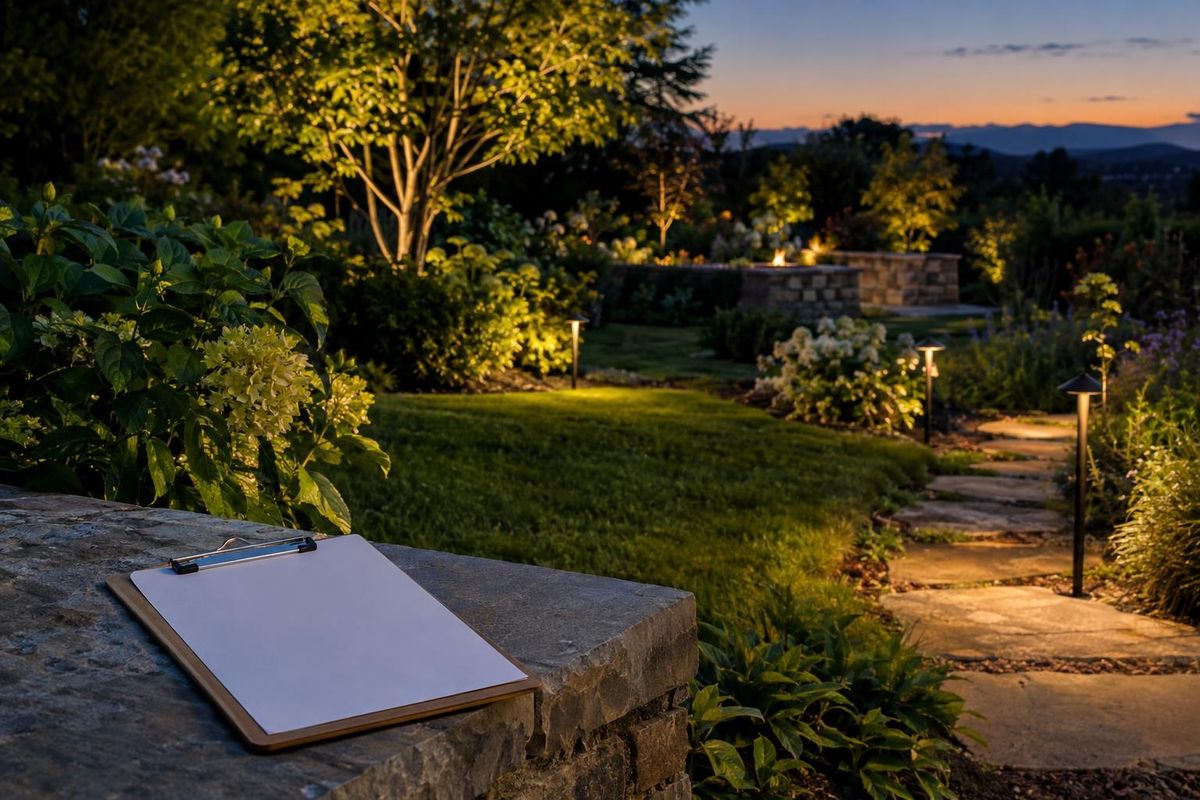
Once a year, walk the property after dark and look at each light. Are any dim, out or flickering? Is a fixture tilted or hidden by a plant? Are there bright spots or glare? Make a list and fix what you can, or call for help.
Doing this each spring is a good habit.
Clean, aim and trim
Wipe lenses with a soft cloth to remove dirt and mineral deposits from sprinklers. Re-aim fixtures that have been knocked. Trim plants so fixtures have clear lines. Pull mulch and soil away from the base of fixtures.
Raise fixtures as plants grow, rather than letting them be buried.
Check the system
Look at the transformer, its timer and its photocell. Make sure the transformer is dry and the cover is tight. Check that the timer shows the right time. Look for exposed cable that mowers or edgers may have uncovered. After a storm, check for damage.
If lights flicker or go dim, corroded connections are a common cause.
Replace and upgrade
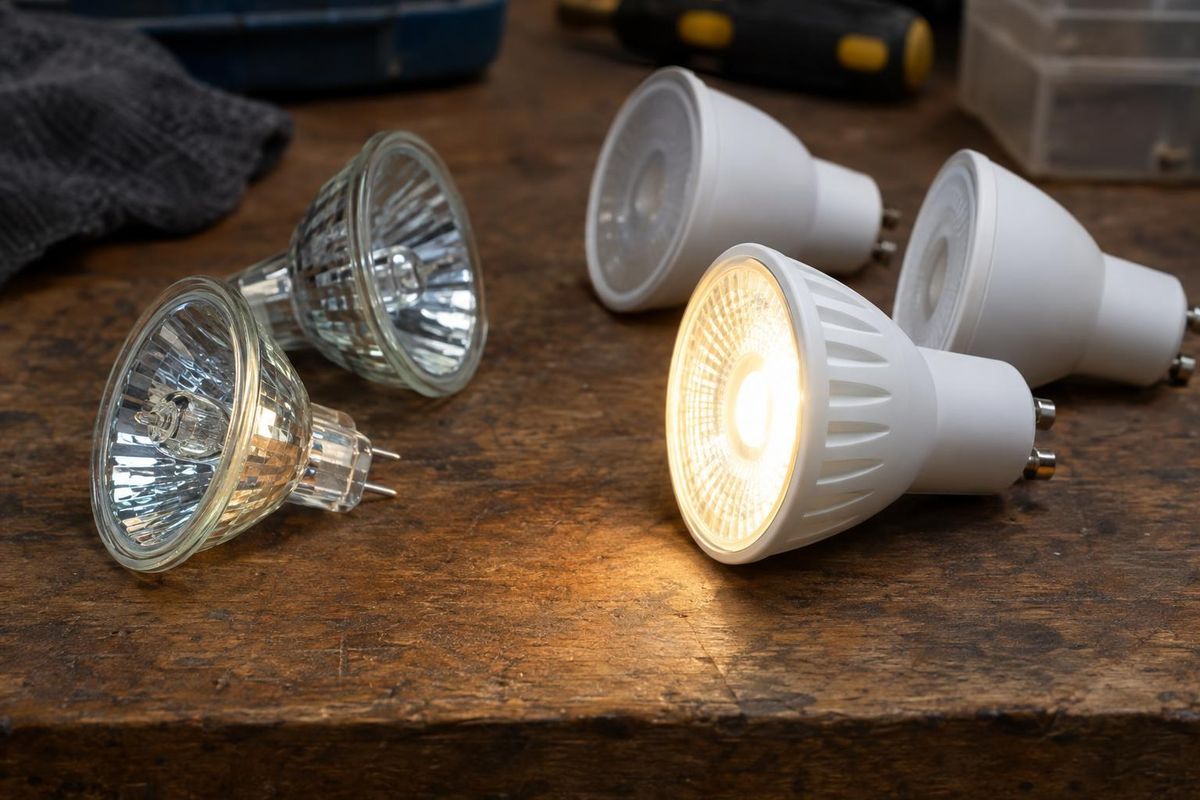
Replace burned-out lamps, cracked lenses and corroded fixtures. If your system still uses halogen lamps, consider converting to LED for lower power use and longer life. A maintenance plan can handle all of this on a schedule.
Keep notes about your system, including the transformer size and the number of fixtures.
Official sites to explore
Brand names and logos belong to their owners. These links open the official websites in a new tab, and we are not affiliated with them.
- University of Tennessee ExtensionResearch-based home and landscape guidance for Tennessee.
- Electrical Safety Foundation InternationalConsumer electrical safety information.
- Illuminating Engineering SocietyProfessional society for lighting design and standards.
- U.S. Department of Energy: LED BasicsFederal guidance on how LED lighting works and why it lasts.
- Tennessee 811: Call Before You DigFree service to mark buried utilities before you dig.
Quick answers
How often should I service my lighting?
A yearly check is a good starting point, with extra checks after storms.
Why do lights go dim over time?
Dirty lenses, aging lamps, plant growth and corroded connections are common causes.
Can I do maintenance myself?
Cleaning and trimming are simple, and electrical work should be left to qualified people.