Key takeaways
- Aim light where it is needed and shield it from the sky and neighbors.
- Warm color temperatures are gentler on wildlife and eyes.
- Use only as much light as the job needs.
- Controls keep lights off when they are not needed.
Why it matters
Light that shines up or sideways instead of onto the ground is wasted, and it can bother neighbors, wash out the stars and disturb birds, insects and other wildlife. Responsible lighting puts light where it is useful and keeps it there.
It also tends to look better, because shielded fixtures avoid glare.
Shield, aim and choose warm
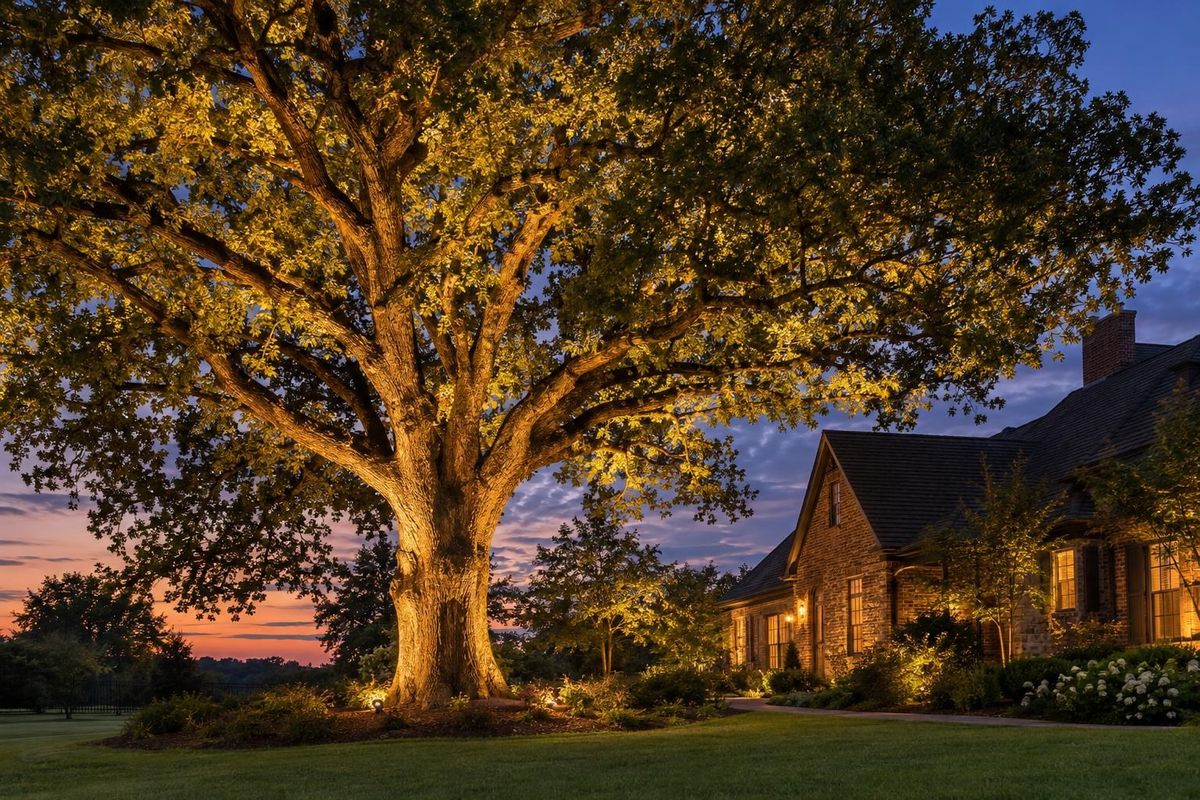
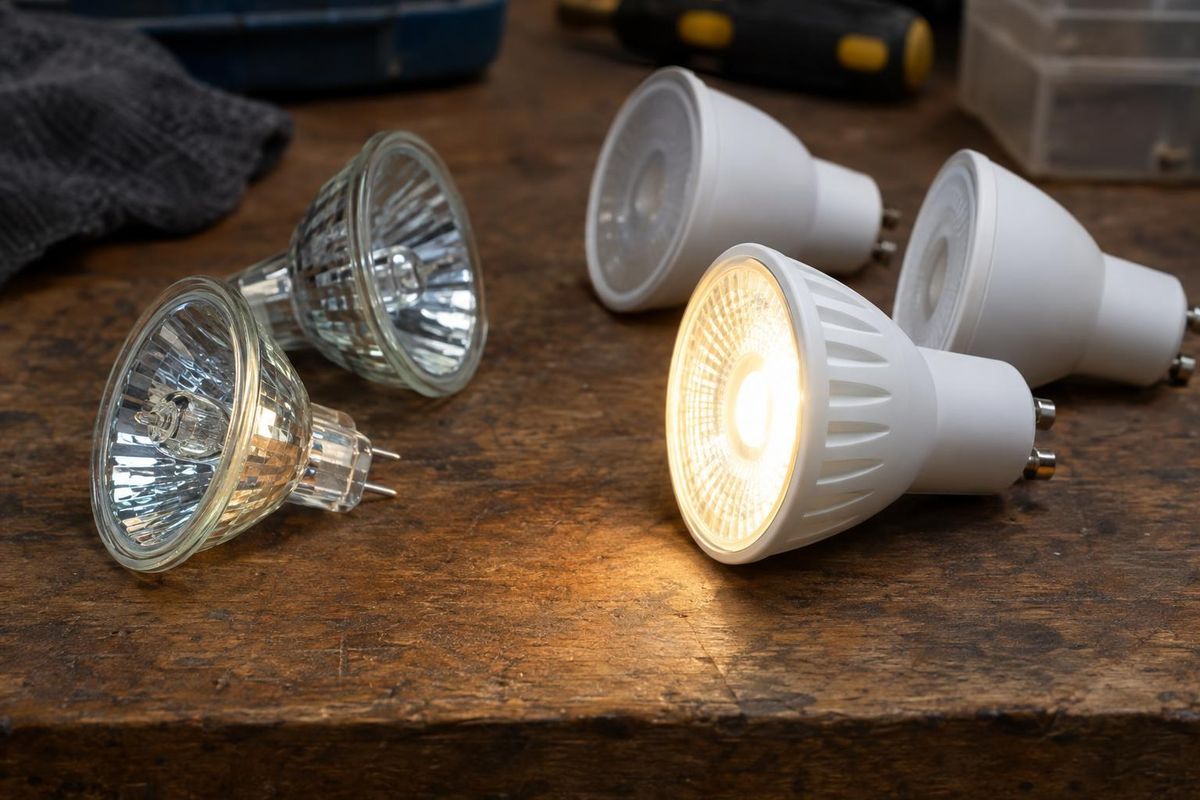
Choose fixtures with shields or cutoffs that hide the lamp and direct light down. Aim up-lights at targets such as trees and walls, and keep them narrow so light does not spill into the sky. Choose warm white light around 2700K, which has less blue light than cool white.
Avoid bright floodlights aimed outward.
Use what you need
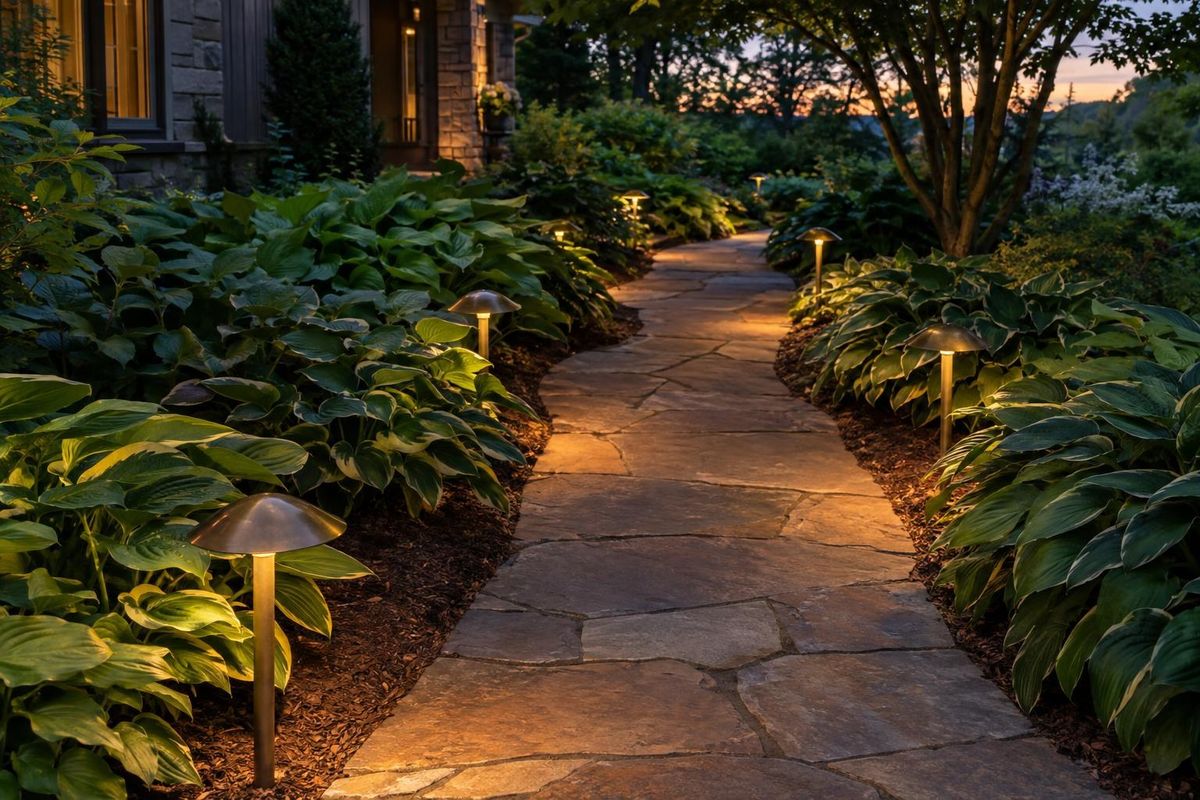
More light is not better. Brightness should match the task. Dim paths, brighter steps and soft accents are enough for most properties. Dimmers, timers and sensors keep light from burning all night in empty areas.
Turning accent lights off at a set hour is a simple, courteous step.
Be a good neighbor
Before installing lights, think about where they will shine. Walk to your property line at night and look back. If you can see the bulb, so can your neighbors. Small changes in aim and shielding solve most issues.
Some communities have lighting ordinances or HOA rules that apply.
Official sites to explore
Brand names and logos belong to their owners. These links open the official websites in a new tab, and we are not affiliated with them.
- DarkSky InternationalGuidance on responsible outdoor lighting.
- National Park Service: Night SkiesInformation on protecting natural darkness.
- Cornell Lab of OrnithologyResearch and guidance on birds, including effects of light.
- Illuminating Engineering SocietyProfessional society for lighting design and standards.
- U.S. Department of Energy: LED BasicsFederal guidance on how LED lighting works and why it lasts.
Quick answers
What color temperature is dark-sky friendly?
Warm white around 2700K or lower is generally recommended.
Can I have uplighting and still be responsible?
Yes. Aim narrow beams at trees and walls and shield the fixtures.
Do lights hurt wildlife?
Excess light can disturb some species. Warm, shielded, purposeful lighting reduces the effect.