Key takeaways
- Start with what you want to see and how you use the yard, not with fixtures.
- Good designs light a few things well and leave the rest in soft shadow.
- Layers of light at different heights create depth and comfort.
- A plan can be built in phases, so you can start with the front and add the back.
Start with how you live
Think about when and how you use your outdoor spaces. Do you come home after dark to a house that looks like a cave? Do guests find the front door easily? Do you entertain on a patio? Do you worry about steps and edges? The answers tell you where light is needed most.
Walk the property at dusk and note what you see and what you do not. Mark trees, walls and features you like, and spots that feel unsafe.
Choose what deserves light
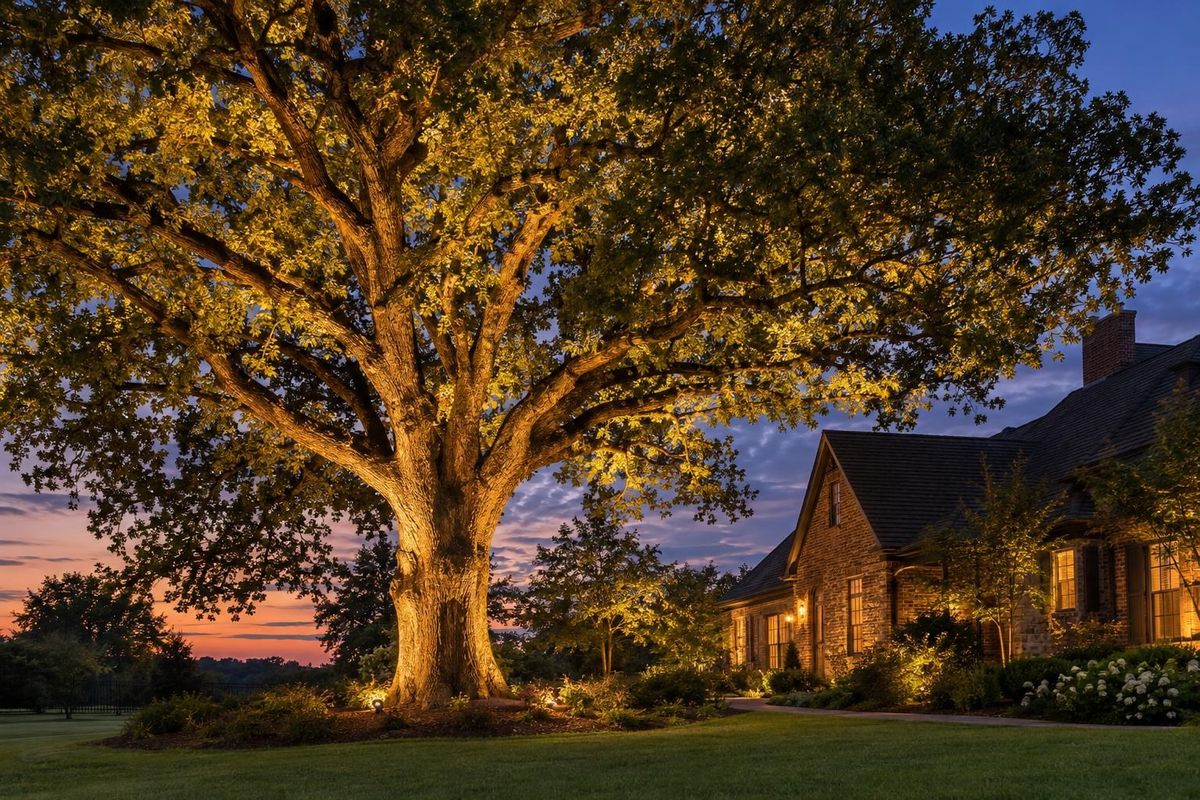
A beautiful lighting design is selective. It picks a few focal points, such as a mature tree, a stone wall, the entry and a favorite garden bed, and lights them well. Everything else falls into soft shadow, which gives the lit areas contrast and depth. Lighting everything equally looks flat and busy.
Include safety lighting for steps, changes in grade and the path from the car to the door.
Layer the light
Layers add richness. Low light at ground level guides the feet. Mid-level light shows plants and walls. High light, such as moonlighting from a tree, adds a soft wash. Each layer can be controlled separately so you can change the mood.
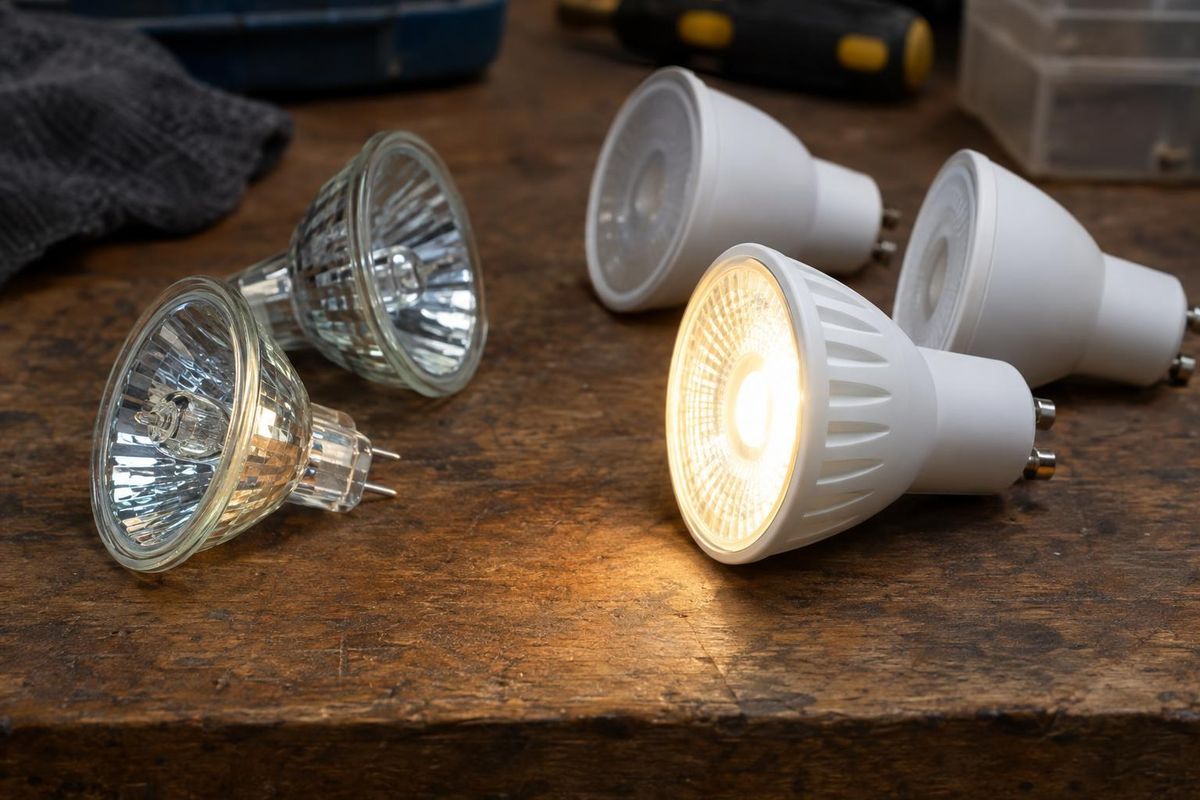
Warm white light around 2700K flatters most plants and materials.
Plan the system, then build it in phases
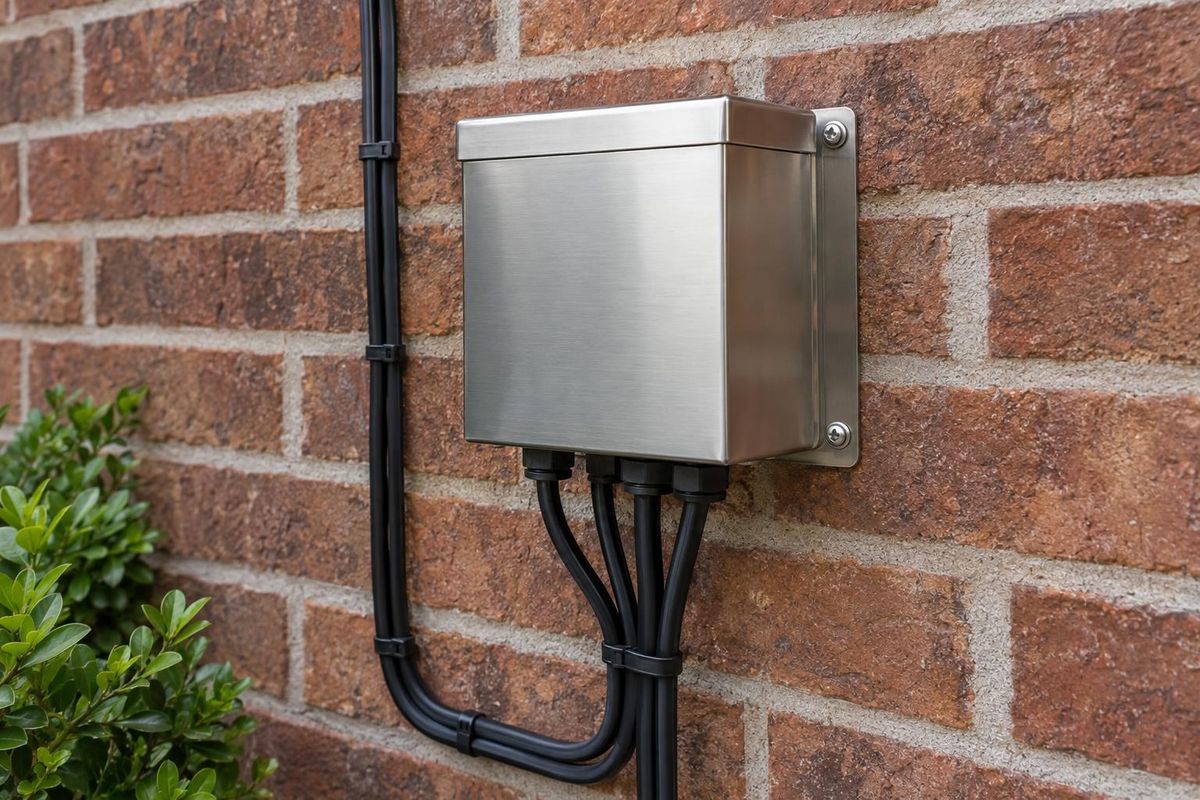
Decide on a transformer size and cable layout that can carry the whole plan, even if you install only part of it now. That makes later additions simple. Many owners begin with the front entry and drive, then add the back.
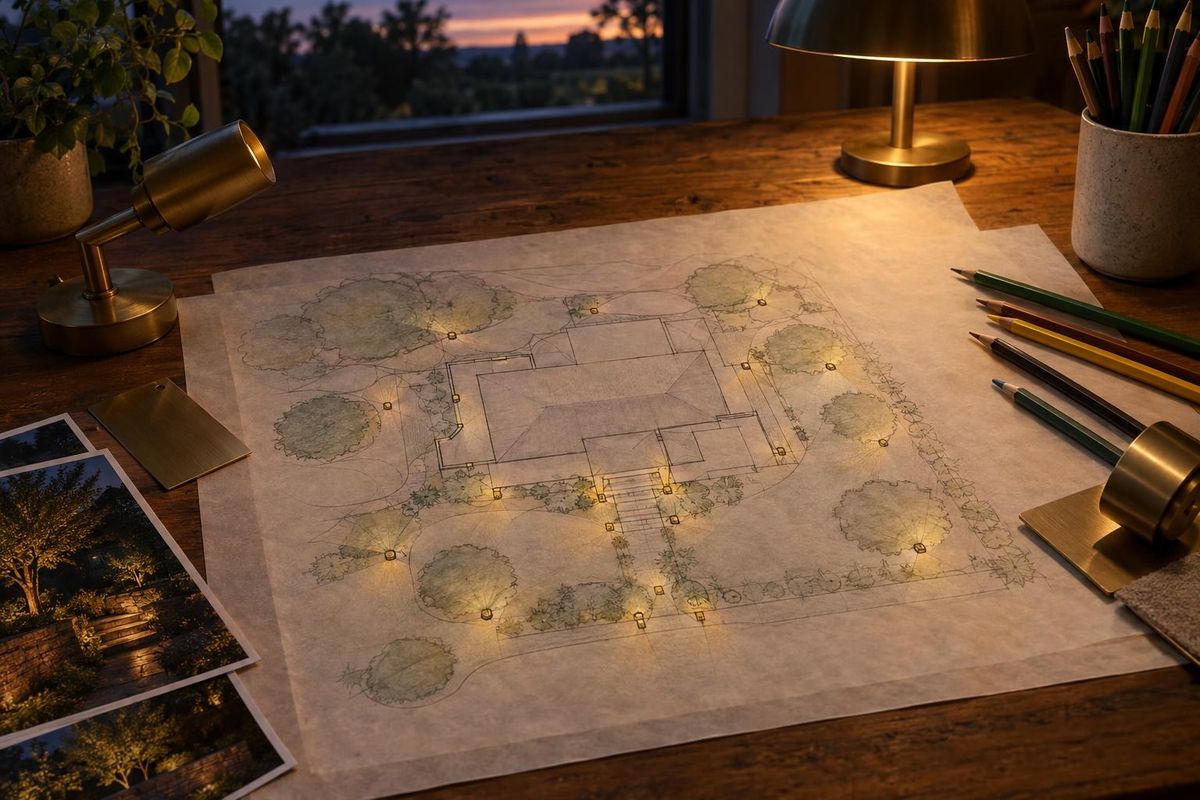
Ask for a plan that shows where each fixture goes and what it does.
Official sites to explore
Brand names and logos belong to their owners. These links open the official websites in a new tab, and we are not affiliated with them.
- Illuminating Engineering SocietyProfessional society for lighting design and standards.
- U.S. Department of Energy: LED BasicsFederal guidance on how LED lighting works and why it lasts.
- ENERGY STARFederal program on energy-efficient products, including lighting.
- DarkSky InternationalGuidance on responsible outdoor lighting.
- American Society of Landscape ArchitectsProfessional association for landscape design.
Quick answers
How many lights do I need?
It depends on the property and the effects you want. A good plan uses the right number, not the most.
Should I light everything?
No. Selective lighting looks better and uses less power.
Can I add to a system later?
Yes, if the transformer and cable have room. We plan for that.